
Charitable Remainder Trusts in Virginia Beach & Hampton Roads
Support the causes you care about, create lifetime income and reduce taxes. Call (402) 649-1418 to schedule your consultation.
Charitable Remainder Trust Planning for Hampton Roads Families
A charitable remainder trust (CRT) is an irrevocable trust that pays income to you, or to you and your spouse, for life or for a set number of years, and then passes what remains to one or more charities. Legacy Solutions Estate & Income Planning helps families across Virginia Beach and Hampton Roads decide whether a CRT fits their goals and coordinates with their attorney and CPA to put one in place.
A CRT can turn highly appreciated assets into an income stream without paying capital gains tax at the time the trust sells them.
You may receive a partial income tax deduction in the year you fund the trust.
The trust pays you income for life or a term of up to 20 years, and the remainder goes to charity.
A CRT is irrevocable, so it is best suited to people with assets they will not need to take back.
Is a Charitable Remainder Trust Right for You?
A charitable remainder trust is a specialized tool, and it fits some families far better than others. It is often worth exploring if you own stock, real estate or a business interest that has grown significantly in value, you would like more income from that asset and you already plan to leave part of your estate to charity.
It may not be a good fit if you might need the principal back, if the gift would be small or if leaving the full value to your children is your top priority. We compare a charitable remainder trust with simpler options, such as qualified charitable distributions and donor-advised funds, before you decide.
Call (402) 649-1418 or fill out the form below to schedule your charitable planning consultation.
How Does a Charitable Remainder Trust Work?
You transfer assets, often appreciated stock, real estate or a business interest, into the trust. Because the trust is tax-exempt, it can sell those assets without paying capital gains tax at that time and reinvest the full value. The trust then pays you a set amount each year, either a fixed dollar amount (a charitable remainder annuity trust) or a fixed percentage of the trust’s value recalculated each year (a charitable remainder unitrust).
When the trust term ends, whatever remains goes to the charities you chose. You may also receive a partial income tax deduction when you fund the trust, based on the expected value of the gift to charity. Income you receive is taxed under special rules, and your CPA can explain how that applies to you.
Who Should Consider a Charitable Remainder Trust?
Owners of highly appreciated assets such as stock, rental property or land who want income without an immediate capital gains tax bill.
Retirees who want a dependable income stream for life.
Charitably minded families who already plan to leave money to a church, school or nonprofit.
Business owners and landlords preparing to sell an asset with a low cost basis.
People with large IRAs who want to explore naming a CRT as a beneficiary as part of their legacy plan.

How the CRT Planning Process Works
Education first. We explain how a CRT works, the trade-offs of giving up control and how it compares with other giving options.
Review your assets and goals. We look at which assets have grown the most and how much income you need.
Model the options. We compare a CRT with selling the asset outright, a donor-advised fund and other strategies.
Coordinate the trust. Your attorney drafts the trust and your CPA reviews the tax effects. We help with the income plan and any related life insurance.
Plan the full picture. Some families use part of the income to fund life insurance that replaces the value going to charity for their heirs.
Important Rules and Trade-Offs
It is irrevocable. Once assets go into the trust, you cannot take them back.
Payout limits. The annual payout must generally be at least 5% and no more than 50% of the trust’s value, and the projected gift to charity must be at least 10% of the initial value.
Term. Income can last for your lifetime, your joint lifetimes or a term of up to 20 years.
Heirs receive less. Assets in the trust go to charity, not to your children. A wealth replacement life insurance policy is one way some families address this.
Charitable alternatives. For smaller gifts, a qualified charitable distribution from an IRA or a donor-advised fund may be simpler. We help you compare.
What to Bring to Your First Meeting
A list of appreciated assets with approximate value and what you paid for them
Recent investment and retirement account statements
Your most recent tax return
The names of charities you support or would like to support
Your current estate planning documents
Giving Back in Hampton Roads
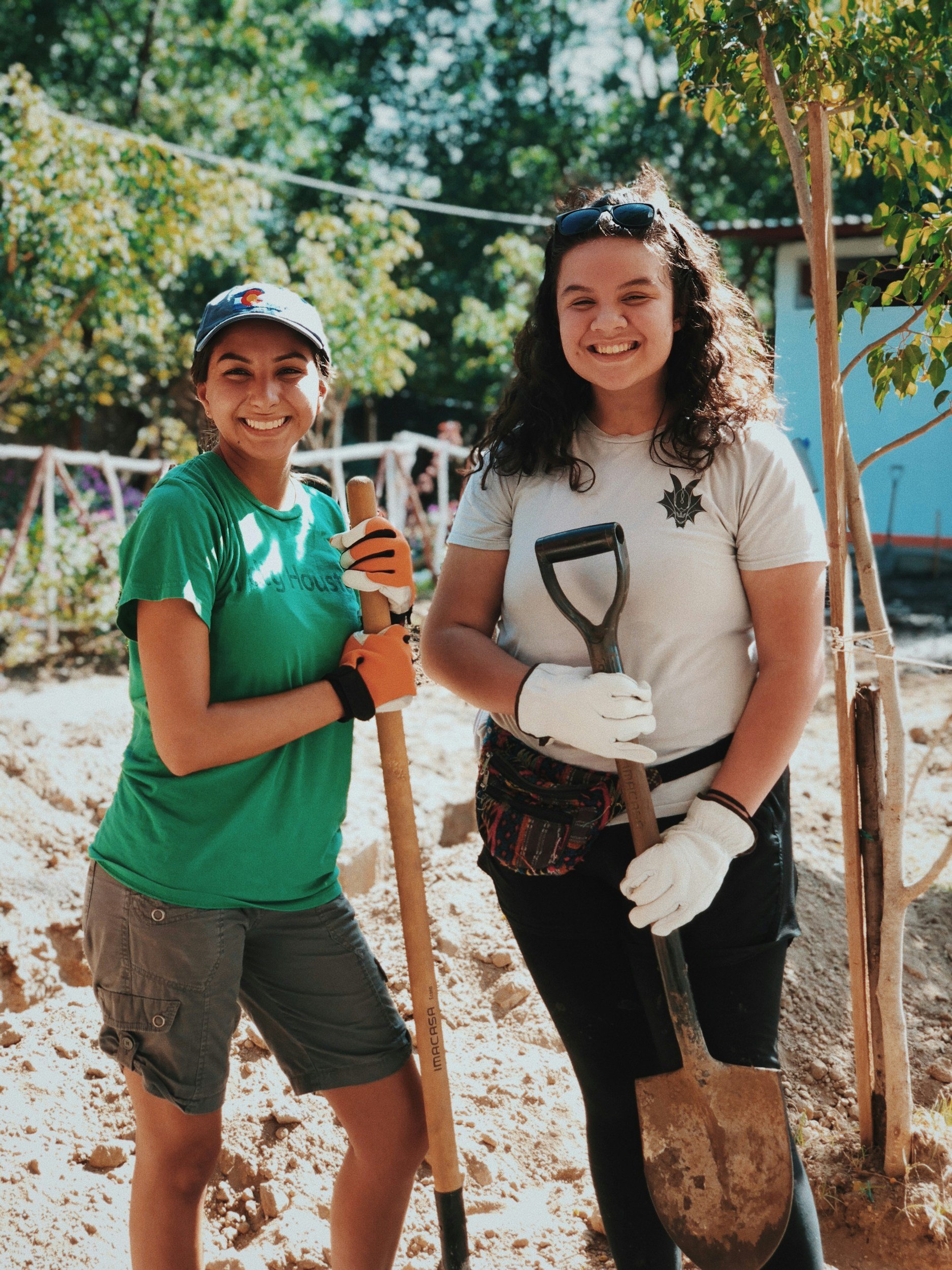
Many of the families we serve support local churches, veterans organizations, schools and community groups. A charitable remainder trust can let you make a meaningful gift to those organizations while still providing income for you and your spouse.

Serving Virginia Beach and All of Hampton Roads
Legacy Solutions Estate & Income Planning is based in Virginia Beach and works with individuals and families throughout the 757, including Virginia Beach, Norfolk, Chesapeake, Portsmouth, Suffolk, Hampton and Newport News. We also host free educational workshops. See our upcoming events or explore all of our services.
Legacy Solutions Estate & Income Planning
2 Constitution Drive, Suite 101, Virginia Beach, VA 23462
Phone: (402) 649-1418
This page is for general educational purposes. Legacy Solutions Estate & Income Planning does not provide legal, tax or investment advice. Consult a licensed attorney, tax professional or financial advisor about your specific situation.


Charitable Planning Guidance From Shannon Raitt
Shannon Raitt helps charitably minded families decide whether a charitable remainder trust fits their goals, comparing it with simpler giving options before any decision is made. She models the income, coordinates with your attorney and CPA and makes sure the strategy fits your broader retirement and estate plan.
Charitable Remainder Trust FAQs
-
It is an irrevocable trust that pays income to you or other named beneficiaries for life or a set term of up to 20 years, then gives what is left to charity. It can provide income, a partial tax deduction and a way to sell appreciated assets without an immediate capital gains tax.
-
A charitable remainder annuity trust (CRAT) pays a fixed dollar amount each year. A charitable remainder unitrust (CRUT) pays a fixed percentage of the trust’s value, recalculated each year, so payments can rise or fall. A CRUT also allows additional contributions.
-
In many cases, yes, though there are rules to follow and some families prefer a professional trustee. Your attorney will advise you on the best choice.
-
The assets in the trust go to charity at the end of the term. Many families use a portion of their income to buy life insurance for their heirs. Learn more about wealth transfer and legacy planning.
-
No, but because of setup and administration costs, it usually makes sense for gifts of meaningful size. For smaller gifts, a qualified charitable distribution or donor-advised fund may be a better fit. Learn more about our tax mitigation strategies.
-
Your attorney drafts the trust and your CPA advises on taxes. We help you decide whether a CRT fits your goals, plan the income and coordinate the professionals involved.
Schedule Your Charitable Planning Consultation
Tell us a little about your situation and we’ll follow up to set up a time to talk. Prefer the phone? Call (402) 649-1418.